
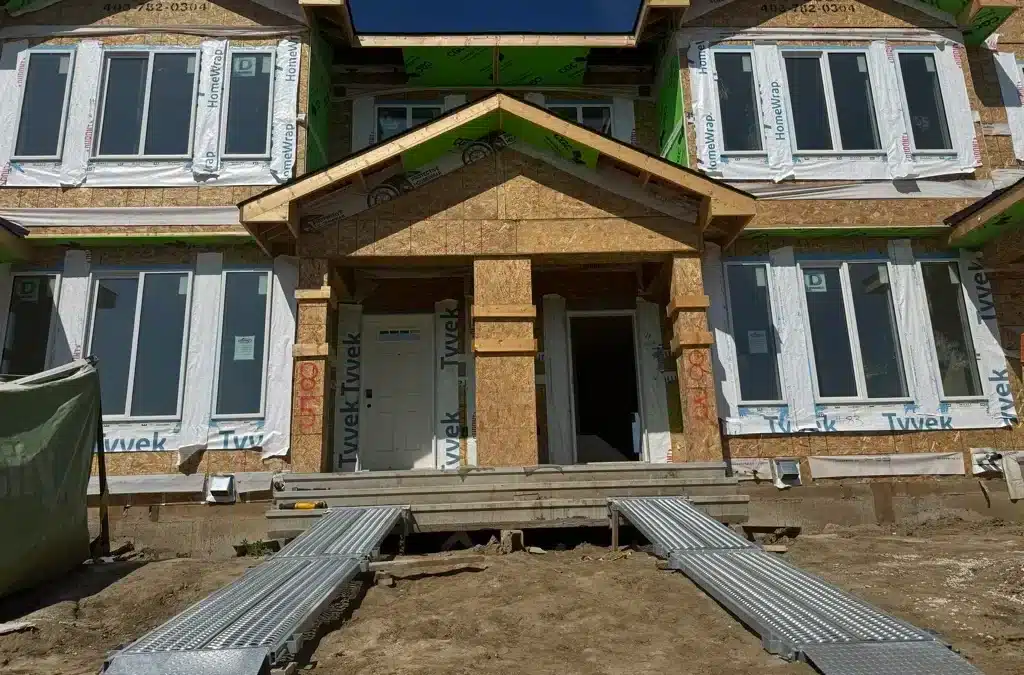
A construction inspection doesn’t need to be stressful. For most site managers, keeping a clean, compliant, and safe job site is already a top priority. Still, inspections can feel high-pressure—especially when even small violations can lead to delays or stop-work orders.
Here, we’ll break down what Calgary inspectors look for when they visit a construction site, and what typically gets flagged first.
Key Takeaways
- Construction inspections most commonly look for anything that violates the Alberta Safety Codes Act or Occupational Health and Safety Act.
- Ensuring there is safe access, boundaries that keep the public out, and workers safe is a top priority for site inspections.
- Having a waste management plan can prevent delays in work caused by construction inspections.
Who Conducts Construction Inspections?
It’s important to know how to comply with building codes on a construction site. The Calgary Construction Site Guide provides details about construction site rules and regulations in the city, and when it comes to inspections, they will generally be for compliance with the Occupational Health and Safety Act, the Alberta Safety Codes Act, and to ensure compliance with city permits.
- Safety Codes Officers monitor compliance with the Alberta Safety Codes Act. They conduct field inspections to ensure compliance and enforcement of the act.
- The City of Calgary’s Coordinated Safety Response Team conducts reviews and inspections of potentially unsafe sites.
We’ll look at some of the things that get flagged first so you can create your own construction safety checklist.
What Gets Flagged First in Construction Inspections
Fencing
The National Building Code – Alberta Edition has strict rules for fencing on construction and demolition sites. Fencing is used to protect the public from potential hazards caused by the work being done on the site, as well as to provide site safety for workers.
Not having fencing set up properly on your site can cause work to be stopped entirely until the problem is fixed.
Fences need to be set up from the start of a construction project until it is complete, and it is one of the very first things that is checked during a site inspection.
It is best to review the regulations carefully, but a few important things to remember include:
- If construction is taking place 2 metres or more from a public way, a fence that’s at least 1.8 metres high needs to be erected.
- There can’t be any opening on fencing around a construction site, other than where they’re required for access. Those openings must have a gate that can open, close, and lock.
- Fences need to be secure and anchored.
Fall Protection
Falls are one of the leading causes of injury on construction sites, with over 42,000 Canadians getting hurt at their work because of falls every single year. That makes fall protection a top priority on safety inspections.
Under the Occupational Health and Safety Act in Alberta, there are a few requirements:
- Employers need to have a fall protection plan for any work sites where workers could fall three metres or more and are not protected by guardrails.
- That fall protection plan needs to specify where hazards exist on the worksite, the fall protection system that will be used, and anchors to be used during work.
- There should be clearance distances in the work area sufficient to prevent a worker from hitting the ground or an object below the work area.
- The fall protection plan needs to be available at the work site and reviewed with workers.
Alberta takes fall protection seriously, and it is almost certain that it will be covered in a construction safety inspection. Building temporary walkways around your job site can also prevent slips and falls.
Proper Waste Management
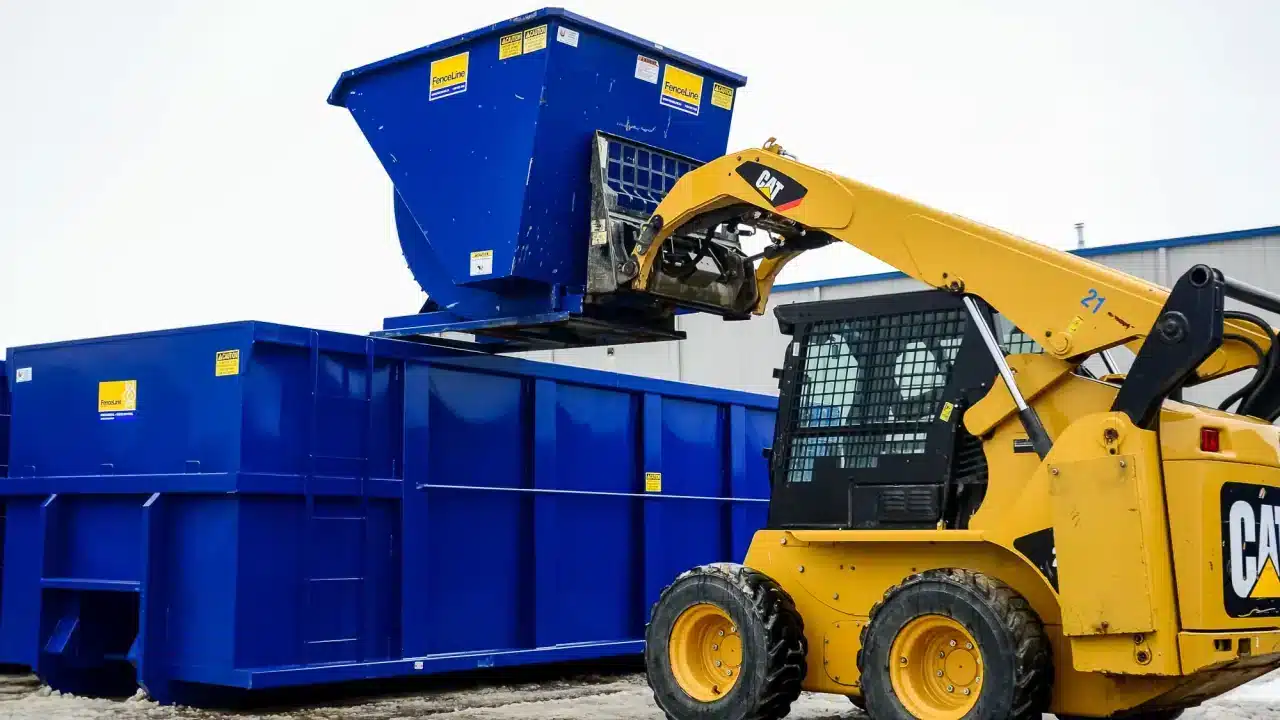
Waste management and sanitation rules in Alberta are governed by the Environmental Protection and Enhancement Act, and it’s important to have a plan for getting rid of everything from garbage and recycling to hazardous materials like asbestos. Even on remote job sites, it’s important to have a waste management plan—which can also help with commercial construction inspections.
The National Building Code – Alberta Edition has guidelines for the requirements on construction sites:
- Waste needs to be stored in an enclosure that’s not accessible to the public
- Waste should be removed as quickly as possible in the proper containers
- Waste material should never be left to fly around freely
Working with a professional waste management provider helps ensure you have the right bin sizes, pickup schedule, and disposal plan to meet regulatory requirements without disrupting your workflow.
Safe Storage of Hazardous & Dangerous Materials
If you’re wondering how to comply with building codes on a construction site, making sure that dangerous equipment and materials are stored safely is a good place to start. Whether it’s heavy equipment, industrial waste, or even objects with sharp corners that could result in workers getting cut, ensuring safe storage is a regular part of the compliance inspection process.
Temporary fencing can create safe enclosures for storing dangerous equipment and materials while also providing security against theft and vandalism.
Portable Toilets
The Occupational Health and Safety Code requires all work sites in Alberta provide toilets for workers. That includes construction sites, and renting or buying portable toilets ensures you’ll have what you need, even in remote areas.
We offer a range of portable toilets for rent, each built to withstand Alberta’s harsh weather conditions. Use our portable toilet calculator to determine how many you’ll need for your site and pass any construction inspection.
Pass Your Next Construction Inspection with Flying Colours
Workplace safety is vital on construction sites, and many employers want to know how to inspect a construction site for safety, even if they aren’t anticipating a formal inspection any time soon.
Securing the right temporary fencing, portable toilets, and waste disposal is always a good place to start when you’re preparing a job site, as it can be used to protect the public and workers, and create safe access for pedestrians and vehicles.
FAQs About Construction Inspections in Calgary
What triggers a construction inspection in Calgary?
Construction inspections may be scheduled at specific stages of a project (such as foundation, framing, or final completion) or triggered by complaints, safety concerns, or visible non-compliance. Random inspections can also occur to ensure adherence to safety codes and municipal permits.
Can a construction site be shut down during an inspection?
Yes. If inspectors find serious safety violations, such as missing fencing, a lack of fall protection, or hazardous materials improperly stored, they can issue a stop-work order until the issue is resolved.
How often do construction inspections happen?
The frequency depends on the size and scope of the project. Larger commercial builds may undergo multiple inspections at different phases, while smaller projects may only require inspections tied to specific permits.
What documents should be available during a construction inspection?
Inspectors may ask to see:
- Valid permits
- Fall protection plans
- Site safety plans
- Waste management plans
- Proof of compliance with the Alberta Safety Codes Act and Occupational Health and Safety Act
What is the most common reason a construction site fails inspection?
In Calgary, common first flags include:
- Improper or missing fencing
- Inadequate fall protection
- Unsafe access points
- Poor waste containment
- Improper storage of hazardous materials
How can I prepare for a construction inspection?
Preparing for a construction inspection involves reviewing permit conditions, ensuring fencing and site boundaries are secure, confirming fall protection plans are in place, verifying proper waste storage and removal, and checking that portable sanitation facilities meet OHS requirements.