
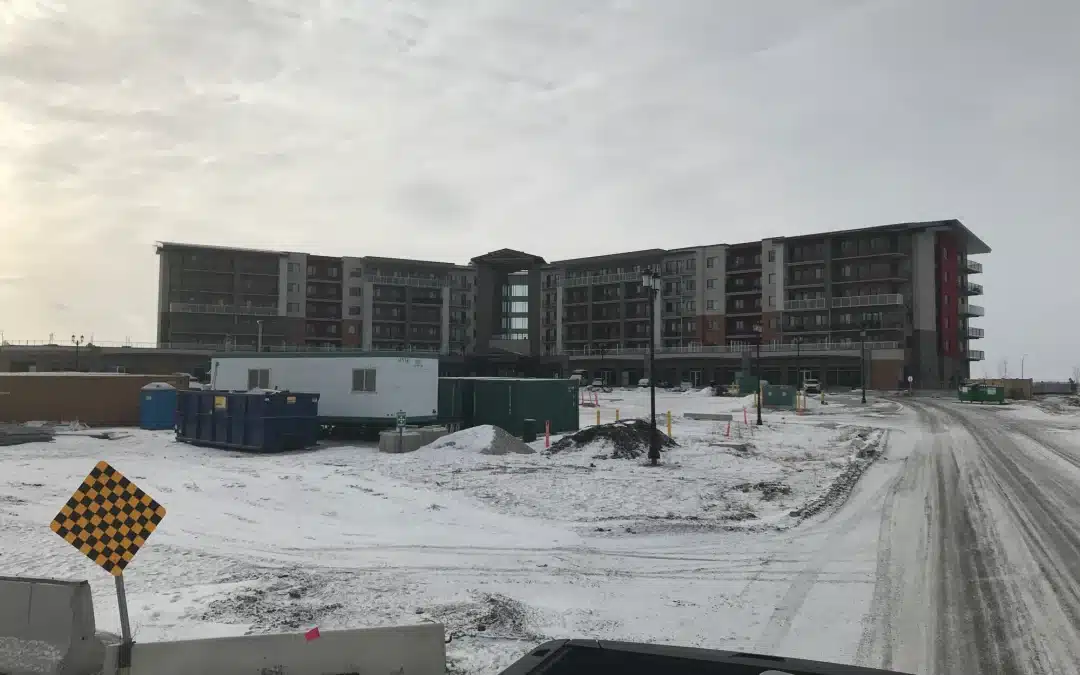
Albertans are tough. We work through snow, wind, heat waves, and sideways rain. But sometimes conditions become unsafe—and that’s when weather delays are unavoidable. Knowing how to deal with weather delays on construction sites can minimize their impact and prevent projects from going off track and missing deadlines.
Here’s how to plan ahead, reduce risk, and keep your site productive even when the forecast isn’t on your side.
Key Takeaways
- Proper winter site preparation can prevent costly delays.
- Winterized toilets, secure fencing, and safe walkways allow work to continue in cold conditions.
- Building weather buffers into timelines reduces tension with clients.
- Monitoring forecasts helps schedule the right work for the right conditions.
Why Managing Weather Delays Matters
Construction is a 12-month industry in Alberta. Clients expect work to be done on time, and that can mean it continues even on days when it’s extremely cold, hot, wet, or windy. Taking days off because of the weather leads to more than just lost time and increased costs, but sometimes it’s impossible to keep working when conditions get too extreme.
Weather-related shutdowns lead to:
- Lost labour hours
- Increased equipment costs
- Rescheduling fees
- Contract tension
- Safety risks
Knowing how to handle a construction project delay is vital to keeping work on-track and deadlines attainable.
How to Deal with Construction Site Delays
Prepare Your Site for the Season
Albertans don’t just stop working outside because the weather isn’t perfect. Preparation is key, especially during long winters when temperatures drop, and snow starts piling up. While there may always be some conditions where it’s impossible to work, proper planning and preparation can ensure work can still be done on your construction sites on most days.
Use our winter construction safety checklist to make sure you’ve done everything you can. Here’s how you can prepare for winter weather:
1. Secure Your Perimeter: High-quality, galvanized fencing (like FenceLine Rentals’ panels) is built to withstand Alberta’s freeze-thaw cycles and strong winds.
- Inspect temporary fencing and ensure bases are stable
- Tighten connections and reinforce high-wind areas
- Treat rust and corrosion before winter hits
2. Control Snow & Ice: Ice-related injuries are one of the most preventable causes of winter downtime.
- Keep snow-clearing equipment on-site
- Remove standing water before it freezes
- Maintain sand and salt supplies
- Clear walkways daily
3. Winterize Vehicles and Equipment: Cold weather affects machinery performance. Preparation prevents mechanical delays.
- Install winter tires
- Use block heaters
- Keep cold-rated washer fluid stocked
- Store equipment properly overnight
4. Protect Worker Comfort & Safety: Warm crews are safer, more productive crews.
- Provide insulated or heated portable toilets
- Position porta potties out of direct wind exposure
- Create heated break areas
- Ensure workers are dressed appropriately
Be Realistic with Timelines
When providing timelines to a client or negotiating a job contract, it’s important to be realistic about how long a project will take. The weather is part of that. The absolute best-case scenario for a job might result in one timeline, but in Alberta, common sense dictates that there will be days when inclement weather causes delays.
Instead of those delays becoming a source of tension or panic when work falls behind schedule, create a realistic timeline that factors in small, occasional weather-related delays into the final deadline for the project’s completion.
Build buffer days into your schedule for:
- Snowstorms
- Extreme cold snaps
- Heavy rainfall
- High winds
Factoring in minor weather interruptions from the beginning prevents:
- Client frustration
- Cost overruns
- Panic scheduling
- Crew burnout
Winterize Equipment
Equipment doesn’t always work as intended in extremely cold temperatures. By taking steps to winterize what you can, you give yourself a leg-up in how to deal with weather delays on construction sites and can often ensure that work continues even if it’s cold, windy, or snowing heavily.
Fencing
- Reinforce base supports
- Check stability after major storms
- Repair damaged panels immediately
Portable Toilets
- Use insulated units
- Add heating solutions when necessary
- Place units in sheltered locations
Safe Access Points
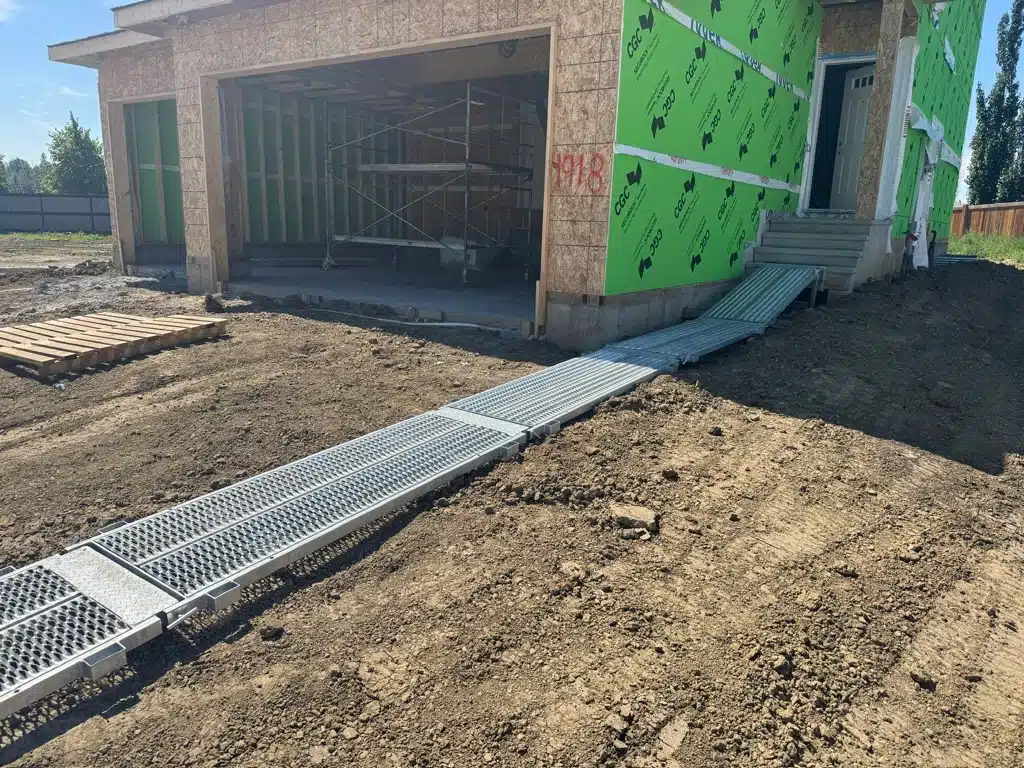
- Install temporary walkways and keep paths ice-free to prevent injuries that can shut down a site entirely.
Pivot Where Possible
If continuing to work on your construction site is impossible because of extreme weather, consider where else your workers might be productive. Instead of sending them home for the day or having them wait around for a break in the weather. Consider:
- Indoor finishing work
- Administrative planning
- Material staging
- Equipment maintenance
- Moving crews to another jobsite
When figuring out how to deal with weather delays on construction sites, it’s important to consider whether there are opportunities to turn those delays into something positive.
Be Proactive
While some weather delays may be inevitable in Alberta, one of the most effective solutions for how to deal with weather delays on construction sites is to plan carefully. Weather forecasts may not be perfect, but they’re better than nothing and can help you plan the work that needs to be done on site.
Schedule weather-sensitive tasks accordingly:
- Concrete pours: Avoid deep freezes
- Painting: Avoid rain and high humidity
- Roofing: Avoid high winds
- Excavation: Plan around heavy precipitation
This avoids the need to reschedule and prevents delays, making it an obvious yet effective step for dealing with weather-related delays on construction sites.
Get Your Site Weather-Ready with FenceLine
Whether you’re looking for temporary fencing, portable toilets, walkways, or waste management solutions, your construction site in Alberta needs equipment that’s built to withstand the province’s extreme weather conditions.
FenceLine Rentals has you covered, with products available for rent or purchase that can be delivered anywhere in Alberta.
Get a personalized quote today.
FAQs About Construction Weather Delays
How can temporary fencing help reduce weather-related delays?
Temporary fencing is a great tool when figuring out how to deal with weather delays on construction sites. It can protect partially completed work, prevent materials from blowing away, and provide safety and security around your job site.
How cold does it have to be for construction work to stop in Alberta?
There are no specific rules under Alberta’s occupational health and safety legislation, but many construction sites will shut down for the day if temperatures drop below -20 degrees Celsius. Site managers must assess risk, worker safety, and equipment performance before continuing operations.
What types of weather cause the most construction delays in Alberta?
Snowstorms, extreme cold (below -20°C), freezing rain, high winds, and heavy rainfall are the most common causes of delays in Alberta. Each presents different risks, from frozen ground and unsafe scaffolding to reduced equipment performance and worker safety concerns.
Can construction continue during snow or rain?
Yes, depending on the severity. Light snow or rain may not stop work, especially if the site is properly prepared. However, heavy precipitation, strong winds, or unsafe footing conditions can require temporary shutdowns to protect worker safety and project integrity.
Are contractors entitled to extra time for weather delays?
Most construction contracts include provisions for weather-related delays, often referred to as “force majeure” or allowable delay clauses. The specific terms depend on the contract. Proper documentation of weather conditions is important to support timeline extensions.