
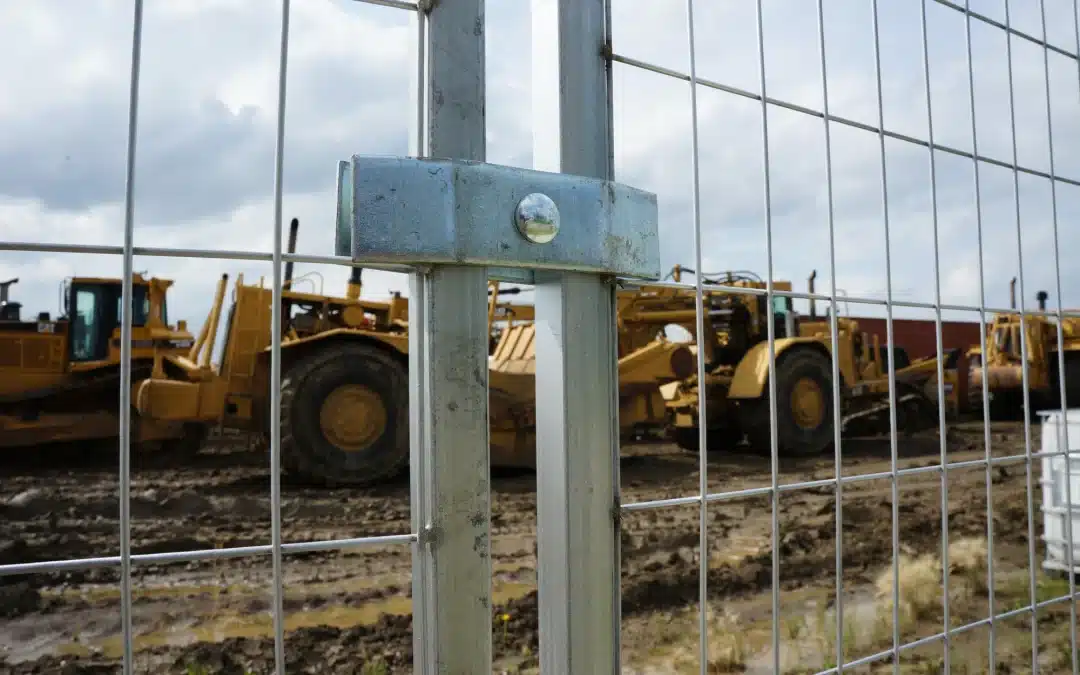
Calgary doesn’t ease up on wind—and neither does the liability that comes with an unsecured temporary fence panel on a job site. A loose panel in a 70 km/h gust isn’t just a nuisance; it’s a safety hazard. Here’s exactly how to secure a fence in high winds on your job site, no matter what comes off the mountains.
Key Takeaways
- Calgary’s wind is a real threat: With an average of 13 days per year exceeding 63 km/h, securing your temporary fencing isn’t optional on Alberta job sites — it’s essential.
- Start with the right panels: Durable, hot-dipped galvanized steel panels with welded mesh construction are the foundation of a wind-resistant fencing setup.
- Proper installation is everything: Bases must be flush with the ground, free of ice, mud, and debris, to keep panels stable when gusts hit.
- Reinforce with the right hardware: Sandbag anchors, heavy-duty 3-bolt clamps, and weather-resistant windscreens all add meaningful protection against wind damage.
- Inspect regularly: Catching loose panels, rust, or damage before a windstorm is far easier and safer than dealing with the aftermath.
Why Is It So Important to Have Your Fencing Secure in High Winds?
Southern Alberta is one of the windiest regions in Canada, and Calgary averages 13 days every year where wind speeds top 63 km/hour. That means that if you’re running a job site in the city, there’s a very good chance you’re going to have to accommodate some windy days.
That means you’ll need to prepare your fencing to stay strong and steady in difficult, windy conditions, no matter what time of year you’re working. The good news is that when you know how to make a fence windproof, you’ll find you can feel confident in knowing it will withstand even the most extreme wind.
How to Secure a Fence in High Winds
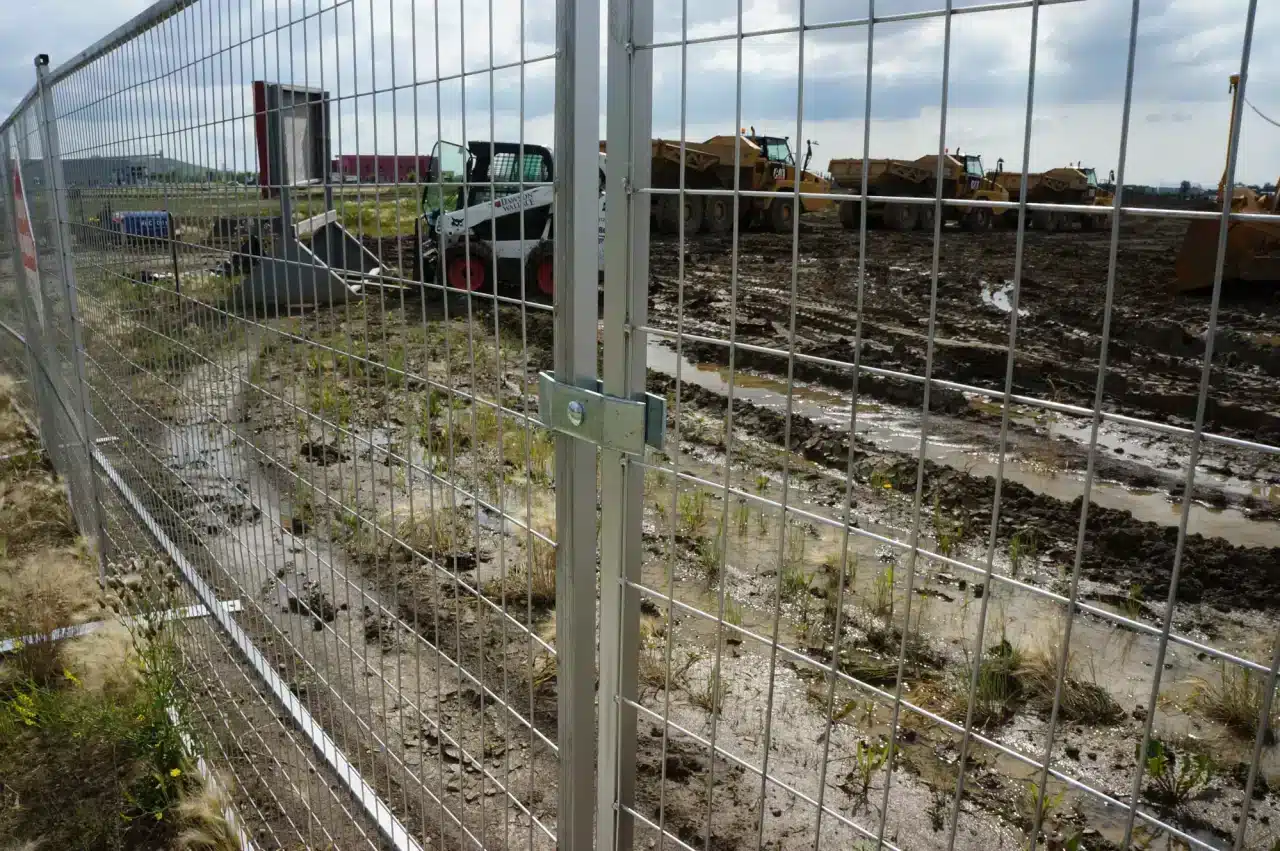
1. Start with the Right Fence Panels
The right fence panels make a world of difference when you’re dealing with heavy wind. It needs to be durable, strong, and stable to withstand the extremes of Alberta’s climate.
This is where renting or buying temporary fencing from FenceLine Rentals is so helpful.
FenceLine has been working with businesses in the construction and outdoor events sectors for over 25 years, and our products are built to last and to do the job, even in heavy wind.
What Makes a Panel Built to Stay Secure in Heavy Winds?
What is the best type of fence to withstand high winds? When you rent or buy temporary fencing from FenceLine Rentals, you’re getting durable, lightweight panels that meet all safety and bylaw standards and are easy to set up.
- Different heights: You can buy 4-foot, 8-foot, or 6-foot tall panels, depending on your needs
- Strong materials: Our fence panels are made of hot-dipped galvanized steel and have a welded mesh construction that makes them extremely durable and weather-resistant
- Hardware: Every rental comes with a panel, base, and coupler so they can be set up securely and will remain stable in challenging weather.
Not sure which fence panel size is right for your site?
| Panel Height | Best For | Key Benefit |
| 4 ft | Pedestrian barriers, low-risk perimeter marking | Lightweight, easy to reposition |
| 6 ft | Standard job sites, crowd control, outdoor events | Balanced visibility and security |
| 8 ft | High-security sites, busy urban construction zones | Maximum privacy and wind resistance |
2. Anchor Carefully
When possible, adding anchors to the base of your fencing can provide added stability during strong wind gusts. Anchoring your fence panels isn’t always needed and may not be necessary at many work sites, but if you’re worried about how to secure a fence in high winds, it may give you peace of mind to place sandbags or concrete around the base of your fencing.
3. Ensure a Level, Stable Base
When putting up temporary fencing, it’s important to ensure that bases are flush with the ground. This is one of the most important factors to consider when preventing fence panels from blowing out. That doesn’t mean the bases always need to be on completely flat surfaces, but ensuring they are flush will keep your fence panels steady and stable.
How to prevent fence panels from blowing out by achieving balance:
- Clear snow and ice that might melt or displace the bases of your fence panels.
- Avoid large puddles that could make the ground muddy and destabilize your fencing.
- Before installing, try to ensure there is a three-foot path around your fencing so that panels can be set up safely and securely.
4. Use Windscreens
Windscreens, or privacy scrims, are a great tool that also provides some shelter from the wind for everyone and everything on your site. Our windscreens are made from a weather-resistant mesh that enhances the look of your site, reduces clutter, protects against wind, and provides extra privacy.
Heavy-duty super clamps can help provide extra stability for your fencing, too. The 3-bolt security clamps reinforce your fenceline and can be extra helpful on windy days.
5. Inspect Regularly
One of the most important things you can do when determining how to secure a fence in high winds is to regularly inspect your fencing. Look for damage, rust, or areas where the panels have come dislodged. Panels can be replaced or repaired, and it’s a lot easier to do so before a wind storm causes even more damage.
Our Experienced Team Will Set Up Your Fencing Right
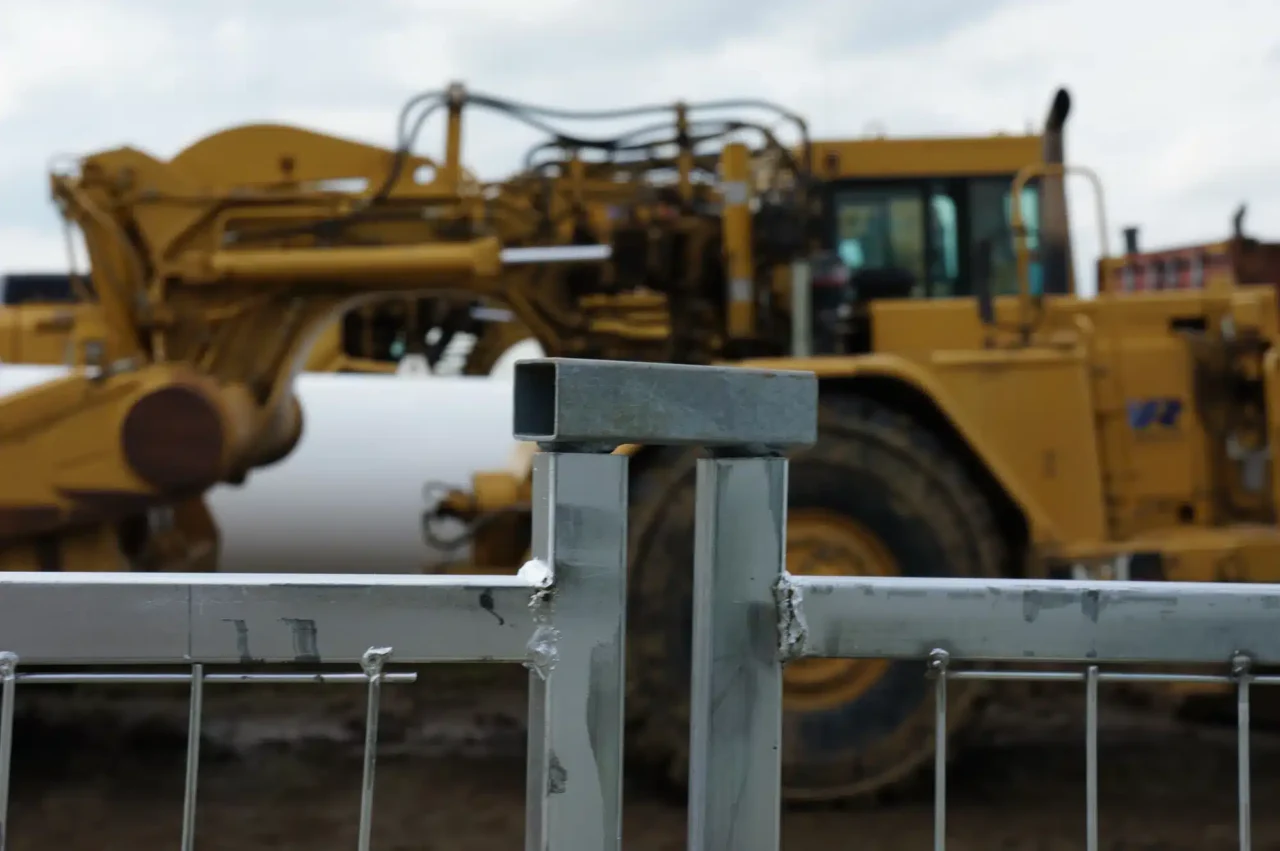
Securing a fence in high winds means ensuring it’s properly set up in the first place. When you rent fence panels, they’ll deliver your temporary fencing anywhere in Alberta, and their experienced team will install your fencing to the highest standards.
This ensures your fencing is stable in any conditions, no matter how windy it gets in Calgary.
Strong, Durable Fencing for Alberta’s Toughest Conditions
A well-secured fence is the difference between a safe, compliant job site and a costly, dangerous situation. With the right panels, proper installation, and a few smart reinforcements, even Calgary’s most punishing windstorms don’t have to be a problem.
FenceLine Rentals has been helping Alberta construction teams do exactly that for over 25 years. From delivery and expert installation to quality panels built for Alberta’s climate, we handle the hard part so you can focus on the job.
Book your rental today and build your site on a solid foundation—literally.
FAQ
Does temporary fencing need to be stuck into the ground?
No. Our temporary fencing uses weighted bases rather than ground penetration.
What should I do if a fence panel flies away?
Try to recover it, if you can. You don’t want it flying around and hurting anybody. Call us to have the panel replaced as quickly as possible.
How do I reinforce my fence?
The most effective ways to reinforce temporary fencing are adding sandbags or concrete anchors to the base, using heavy-duty security clamps along the fenceline, and attaching a weather-resistant windscreen to reduce wind load on the panels. Making sure bases are flush with the ground and free of ice, mud, and debris is equally important for keeping panels stable in high winds.
How often should I inspect my temporary fencing on an active job site?
This is a natural follow-up to the “Inspect Regularly” section and addresses a practical question contractors will have. It also reinforces FenceLine’s expertise and care for safety.
Can temporary fencing be used year-round in Calgary’s climate?
This is highly relevant given Calgary’s extreme seasonal weather—from chinooks and high winds to snow and ice.