
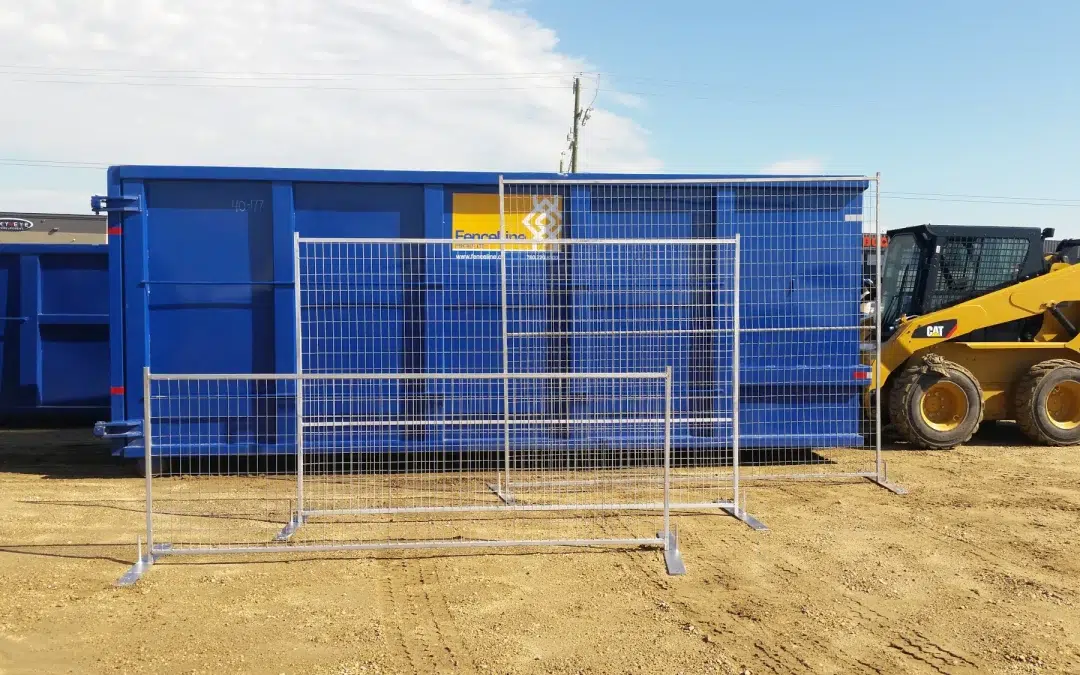
Whether you’re considering buying or renting temporary fencing, it’s essential that your fence withstands the challenging conditions Alberta’s climate presents.
So, how long does temporary fencing last? The answer depends on several factors, including how temporary fencing is maintained, the materials it’s made of, and whether it’s set up and stored properly. Here, we’ll look at all the factors that affect the lifespan of temporary fencing and how you can increase the use you get out of it.
Key Takeaways
- Temporary fence panels can last 10 to 15 years with proper care, but handling, storage, and Alberta’s climate all affect how close to that ceiling you actually get
- All FenceLine panels are galvanized steel; Super Heavy Duty panels and HD bases add a hot-dipped finish for extra corrosion resistance
- Chinook winds, freeze-thaw cycles, road salt, and UV exposure make Alberta harder on temporary fencing than most other provinces
- Dragging panels across pavement and dropping them off trucks are the most common causes of premature wear; both are easily avoided
- Couplers and bases are cheap to replace; panels aren’t – inspect hardware before and after every use
- Surface rust that hasn’t penetrated the steel can be treated; bent frames or rust-compromised panels should be replaced
What Is FenceLine’s Temporary Fencing Made From?
In Alberta and across Canada, temporary fencing needs to be tough. It needs to withstand sudden temperature fluctuations, extreme wind, and everything else that comes with a northern climate. That’s why our temporary fencing is made of galvanized steel, a trusted, durable material commonly found on worksites across the country.
Our super heavy-duty fence panels also come with a galvanized, hot-dip finish, while other panels have a galvanized (silver) finish that provides extra protection against damage on challenging job sites. The fence panels are designed for use with steel bases and are secured with steel couplers.
Some panels are also available with an additional powder-coated finish that provides even more protection.
What Affects the Lifespan of Temporary Fencing?
Finish Type: Galvanized vs. Powder-Coated
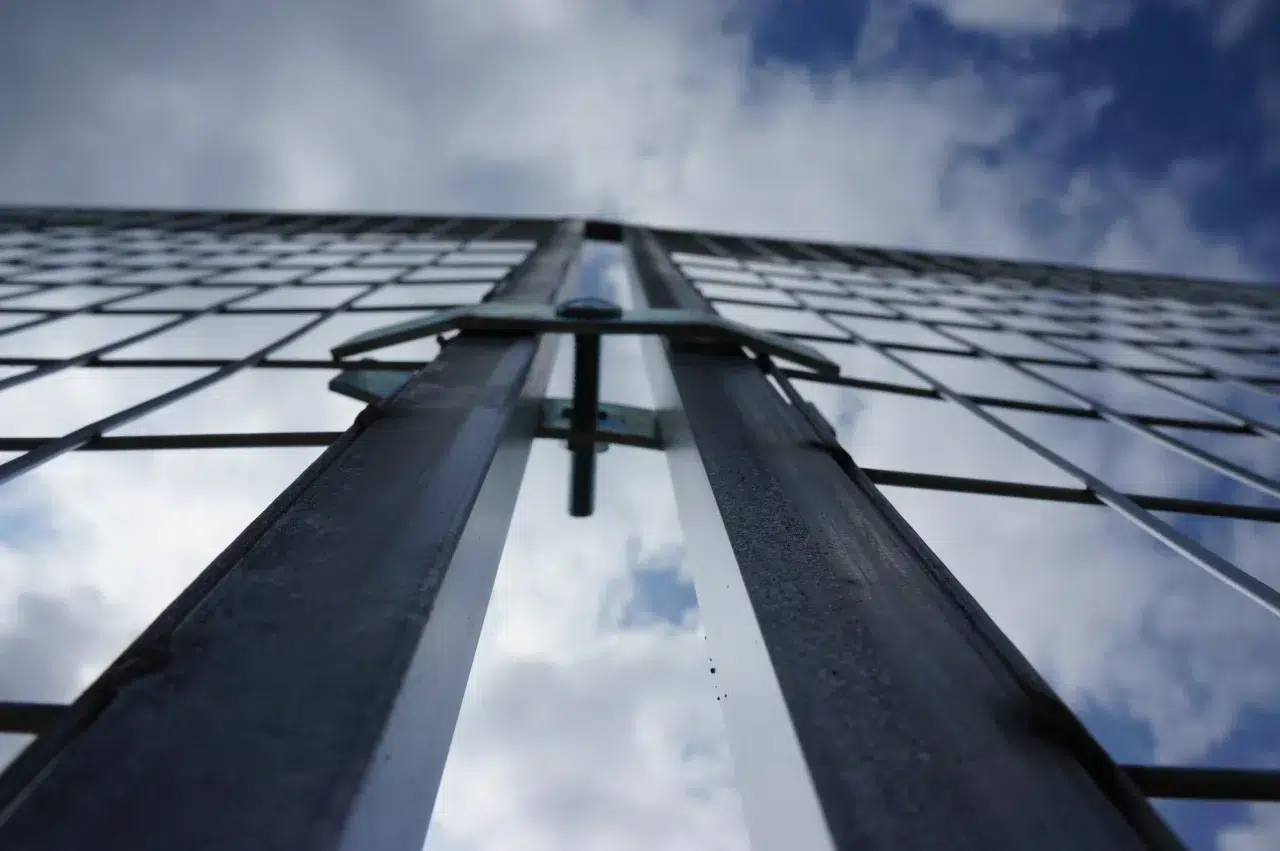
Hot-dipped galvanized finishes are the industry standard for temporary fencing in Canada and hold up impressively under any weather conditions. Hot-dip galvanizing is a process where steel is coated with a layer of zinc for protection. It helps ensure that, even if there is damage, the steel beneath doesn’t suffer the worst of it and remains strong and structurally sound.
Powder-coat finishing provides an extra layer of protection and can improve appearance. Many event sites want a powder-coat finish, but hot-dipped galvanizing works great for most job sites in Alberta.
Alberta-Specific Factors
As everyone who lives in Alberta knows, the conditions aren’t easy. That’s true for construction equipment and temporary fencing, as well, and it can have an impact on the longevity of fence panels for a number of reasons, especially in winter.
- Chinook winds can be sudden and strong, knocking over fence panels that aren’t set up properly and causing structural damage
- Freeze-thaw cycles can cause moisture to get into small cracks or joints. When it freezes, that moisture expands and can put stress on fencing and hardware
- Because Alberta gets so much sun, UV exposure can be hard on components
- Road salt near job sites in the winter can cause corrosion
With those factors in mind, it can be challenging to decide between new and used panels.
Buying New vs. Used Panels
| New Panels | Used Panels | |
| Available grades | All grades (SD, CD, HD, SHD) | 6′ Heavy Duty only |
| Upfront cost | Higher | Lower — from $84.01/panel (50+ units) vs. $98.84 new |
| Finish condition | Full galvanized finish; SHD and HD bases include hot-dipped galvanizing | May show surface scratches or areas of thinner finish from prior use |
| Frame condition | Straight tubes, no prior wear | May have minor bends from previous setup and teardown cycles |
| Tariff | Subject to import tariff ($10.65–$24.08/panel depending on grade) | No tariff applies |
| Expected lifespan | Maximum lifespan for the grade | Depends on prior use and number of previous deployments |
| Best for | Long-term ownership, projects where condition and appearance matter | Shorter-term requirements or cost-sensitive budgets |
How Panels Are Handled
Moving panels from one site to another, or even across a work area, is where damage often occurs. Fortunately, damaging your temporary panels when moving them can be easily avoided with a little care.
Panels that are dragged across gravel or pavement can get scratched, damaging the finish. That, in turn, can lead to rusting. Carrying them carefully will prevent this.
Dropping or throwing panels off the back of trucks or when they’re being moved should also be avoided, as it can cause serious damage to the frames and bend metal tubes. Storage matters, as well. When not in use, temporary fence panels should be carefully stacked with their weight being distributed evenly. This can add years to their lifespan.
The more often temporary fencing is moved between sites, the more opportunities there are for scratches and the sort of rough handling that decreases its lifespan. As an example, a set of fence panels used on one site for a year will likely be in better shape than one moved every week for the same period.
How to Maintain Temporary Fencing for Longevity
What to Inspect Before & After Each Use
Whether you’re setting up temporary fencing in a dense urban area, on an industrial site or anywhere else, a quick inspection at the beginning and end of your job can work wonders in extending the lifespan.
Before setting up, inspect your fencing carefully while looking for:
- Bends, kinks or cracks
- Scratches or rust
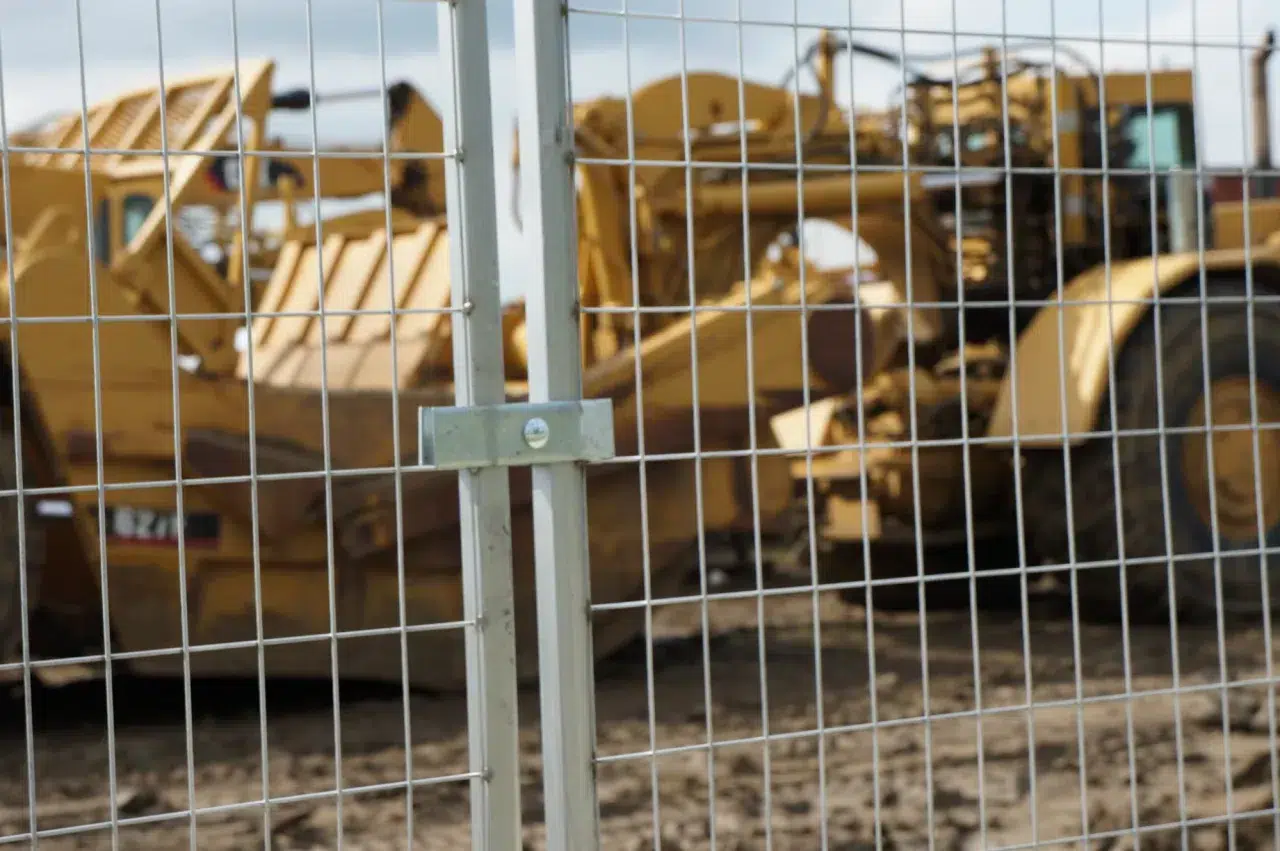
- Worn couplers that won’t close fully
- Chips or cracks in the bases that could affect stability
At the end of your job and before you take down your fencing, check for:
- Any new damage to panels, couplers and bases
- Dirt or mud that’s packed into joints and can trap moisture
- Anything that could be retaining water against the steel panels
Throughout your job, try to clear any snow or ice that accumulates near the bases of your temporary fencing, too, as this can cause moisture build-up and destabilize your panels.
How to Extend Panel Life
Careful maintenance is the key to extending your temporary fencing’s lifespan. What does that actually mean, though, and what makes a difference? Here are a few key bits of preventative maintenance that have a big impact:
Proper Storage
Storing your temporary fence panels in a dry, indoor space is best, but if that’s not feasible, you should still try to stack them horizontally instead of standing them upright. Try to make sure weight is distributed evenly.
Cleaning
Dirt, mud, and other moisture-trapping materials can cause rust and corrosion, so cleaning your panels before you store them is extremely useful. This doesn’t need to be a huge process; simply spraying them with water and using a brush to remove any excess materials will do the trick.
Check Couplers & Bases
Couplers and bases play an important role in maintaining the stability of your fencing and can be replaced much more cheaply than entire panels that might blow over and get damaged. Check them to make sure there are no cracks and that they clamp properly for couplers and still grip the panel properly for bases.
When to Repair vs. Replace Temporary Fencing
Temporary fencing plays an important role on construction sites and at outdoor public events. It’s important that it be in good condition and can stand securely, but some damage is often inevitable. When should you look at repairing your panels, though?
When to Repair
A certain level of wear-and-tear is fine, and a little repair work can ensure that a temporary fence panel doesn’t need to be replaced. Some hardware, like couplers and bases, is worth replacing if there is any damage, as it costs much less than a set of fence panels.
With the panels themselves, surface rust that hasn’t penetrated the steel can be cleaned, treated and protected. Small dents do not require full repairs, either.
When to Replace
A structurally unsound panel should be replaced, as it affects site security and safety. If a panel has been damaged in a way that prevents it from sitting flat or connecting with the panels next to it, it should be replaced.
The same goes for any panels where the steel section of the panel has become impacted by rust or any panel where damage has caused gaps in the fence line.
Get Durable, Tough Temporary Fencing From FenceLine Rentals
What is the best temporary fence for Albertan sites? Whether it’s a construction site or an event, Albertans need temporary fencing that’s built to withstand the often-difficult conditions in this province. The temporary fencing at FenceLine Rentals is built to last.
Get a Free Quote — We’ll Match the Right Fence to Your Project Timeline.
FAQ
How much does temporary fencing cost?
Renting a temporary fence typically costs $0.25 to $0.60 per linear foot per month, while purchasing a temporary fence panel has a one-time cost of $80 to $140, depending on your requirements.
Can temporary fencing be set up in snow and ice?
Yes, temporary fencing can absolutely be installed in the winter. With the right anchors and some careful preparation, temporary fence panels can be set up even in harsh midwinter conditions and provide safety and security without issue.
How long does a temporary fence last?
This comes down to how well the fencing is maintained, how often it’s moved and how carefully it’s stored. When done properly, temporary fencing’s lifespan can be between 10 and 15 years.