
Installing a fence in winter might look like a challenge, but with a little thought and care, it’s entirely possible. Even on freezing-cold winter days, you can set up temporary fencing as long as you follow a few steps to ensure your site is prepared and you have the right fence panels built to withstand the harshest conditions.
When you rent or buy temporary fencing from FenceLine, our team will deliver and set up your fence. That guarantees it’s done safely and that your fencing is up to standard.
Here, we’ll look at some tips and tricks for how to safely install a temporary fence in winter.
Key Takeaways
- Temporary fencing can be safely installed in winter with proper planning and preparation.
- Using fencing designed for Alberta’s extreme winter conditions is critical for stability and safety.
- Clearing snow and ice before installation helps ensure fence bases sit securely on stable ground.
- Wind exposure, access points, and site layout should be assessed before installing winter fencing.
- Adding weight to fence bases can improve stability in high-wind conditions.
- Regular inspections are important throughout winter to address shifting, damage, or ice buildup.
- Professional delivery and installation help ensure winter fencing meets safety standards.
Is Installing a Fence in Winter Possible?
When Albertans look outside in the middle of winter and see snow on the ground and the wind howling, they probably wonder, “Can you install a fence in the winter?” The answer is yes.
When installing a fence in winter, the key is using panels designed to remain stable in harsh winter conditions, along with proper site preparation to account for snow, ice, and wind.
How to Install a Temporary Fence in Winter
1. Pick the Right Fencing
Winters in Alberta can be harsh. The temperatures drop fast, snowfall can pile up, and the wind can cause real problems when you’re installing a fence. With that in mind, it’s vital that, before any installation gets underway, you ensure you get temporary fence panels specifically designed to withstand the challenges a winter in Calgary or Edmonton can present.
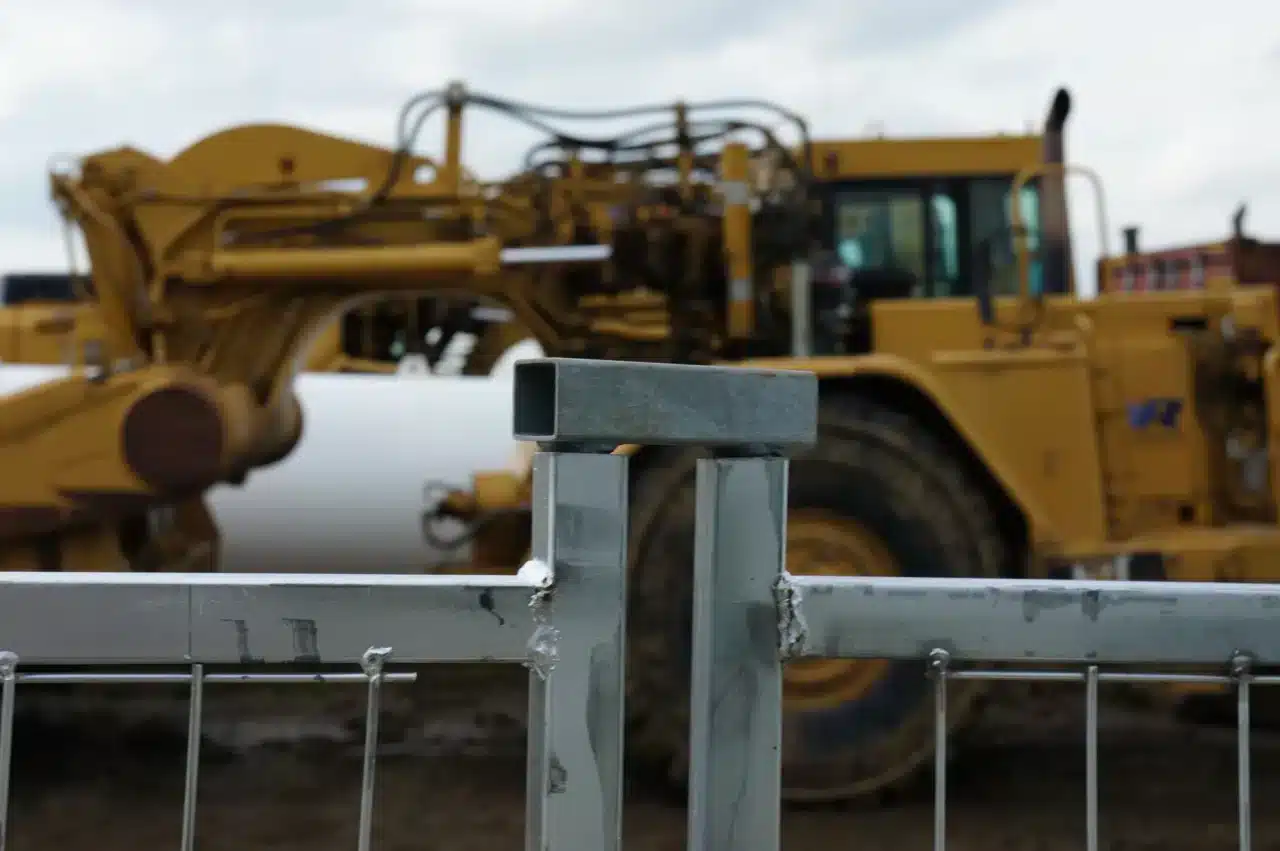
The temporary fencing you can buy or rent from FenceLine is built to be durable through all four seasons in Alberta, including winter. Built with hot-dipped galvanized steel and welded mesh construction, it will hold up in extreme cold and wind but is also lightweight enough for easy installation and moving.
2. Determine How Much Fencing You’ll Need
A preliminary assessment of your site can help you avoid problems later and provide the information you need to get the correct number of panels. It doesn’t need to be a guessing game, and our team can help you calculate exactly how much temporary fencing you’ll need when you’re renting or buying.
For winter sites, in particular, you should ask a few questions before you set up your site:
- Where are the entry and exit points? Whether it’s getting vehicles, heavy equipment, or people onto your site, you’ll want accessible gates. This is especially important in remote areas where there may not be regular snow-clearing.
- If there’s heavy wind, where is it coming from? In especially windy areas, temporary fencing can block big gusts and keep people on your site warm and safe.
- Are there any obstructions? Does snow pile up in a particular area? Are there trees or buildings you need to work around? This could affect how many temporary fence panels you’ll actually need.
3. Prepare the Area
Temporary fencing should be set up so that the bases are flush with the ground. This keeps them steady during windy storms, but it’s also important that your temporary fencing not be set up above snow or ice, where they might slip or become unstable on warmer days when snow or ice melts.
Clearing the area with a snowblower or shovel ensures your temporary fencing is set up on stable ground. Try to clear a three-foot path around your fencing so the panels can be installed safely and correctly.
4. Install Your Fencing Early
Whether you’re hosting an outdoor event or managing a construction site, you’ll want to install your temporary fencing before work begins or guests start arriving. Construction sites in Alberta are required to have fencing installed for the entire duration of a project, which also helps prevent excessive chaos during installation.
Ideally, installing a fence in winter should be done a couple of days before an event or work begins on site.
5. Secure Your Fencing
Especially in windy locations, it can be helpful to add weight to the base when installing a fence in winter. It doesn’t have to be much, as the bases that come with temporary fencing are designed to hold steady in difficult conditions, but if you’re worried, it can be helpful to add sandbags or other weights to add extra stability.
6. Inspect Regularly
No matter how long your event or construction project lasts, regularly inspecting your temporary fencing is important. Even when you know how to install a temporary fence and do it perfectly, things can go wrong. Check your fencing regularly for damage and ensure all panels are stable.
Temporary Fencing Built for Alberta’s Winter
As a proud Alberta company, FenceLine provides temporary fencing built for all four seasons and the variable climate conditions that come with them. All of our fence panels have welded wire-mesh construction, square frame tubes, and a hot-dipped galvanized finish.
Winter Fence Installation Doesn’t Have to Delay Your Project
Installing temporary fencing in winter requires the right equipment, preparation, and experience—but it’s entirely achievable with the proper approach. From clearing snow and ice to choosing fencing built for extreme cold and wind, planning ahead keeps your site secure and compliant.
FenceLine provides winter-ready temporary fencing, along with delivery and professional setup, to ensure your fence stays standing in Alberta’s toughest conditions.
Request your personalized quote from FenceLine today and get your site winter-ready.
FAQ
Where can I install temporary fencing?
Temporary fencing is incredibly versatile and can be set up in remote rural areas or on busy downtown blocks. FenceLine Rentals delivers across Alberta and can help with installing a fence in winter wherever it’s needed.
How do you take down temporary fencing?
Installing a fence in winter is one thing, but taking it down at the end of a project can take some planning, too. The team at FenceLine Rentals can help out, though, and make sure pickup day goes smoothly.
Do I need special fencing for winter conditions?
Yes. Winter fencing should be built with durable materials like galvanized steel, welded wire mesh, and sturdy frames to prevent tipping or damage in extreme weather.
How do you anchor fencing on frozen ground?
Temporary fencing uses weighted bases rather than ground penetration. Clearing snow and ice ensures the bases sit flush, and additional weights like sandbags can be added if needed.
Should snow and ice be cleared before installing fencing?
Absolutely. Installing fencing on snow or ice can lead to shifting and instability, especially during freeze-thaw cycles.
How often should winter fencing be inspected?
Fencing should be inspected regularly throughout winter to check for movement, damage, or ice buildup—especially after storms or high winds.
Can FenceLine Rentals install fencing in winter?
Yes. FenceLine Rentals offers delivery and professional installation services to ensure temporary fencing is safely installed and secure in winter conditions.